

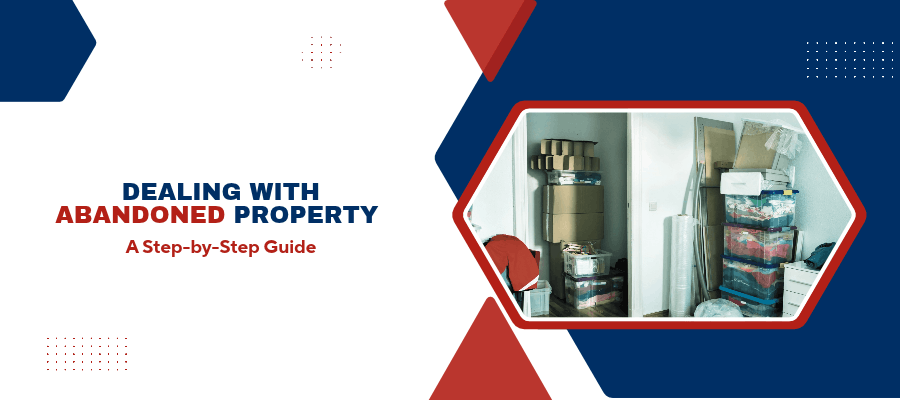
 What do you do when a renter leaves behind a bunch of stuff when they move out of your property?
You have to follow the law.
This can be frustrating. When you enter a property to conduct a careful inspection after a tenant moves out, the last thing you want to see is furniture left behind, trash all over the kitchen, and personal belongings in the closets.
Whether a tenant leaves voluntarily at the end of a lease, breaks their agreement unexpectedly, or vacates following an eviction, landlords in California are often faced with the question of how to handle any belongings that the tenant left behind.
California law provides clear and strict guidelines that property owners and managers must follow. Failing to comply can expose you to legal liability, even if the tenant has already vacated the property.
Because we help owners and landlords manage move-outs all the time, we have a lot of experience with this topic. We’ve put together a guide that outlines the legal framework, provides practical step-by-step instructions, and shares best practices for managing abandoned property in California rental homes.
At Real Property Management Choice, we leverage our excellent tenant relationships and strong lease agreements to avoid this situation most of the time. Working with us can streamline the process if you find yourself dealing with abandoned property.
Our Summary:
|
Understanding Abandoned Property Under California Law
When a tenant leaves items behind after moving out, those belongings are still legally protected. Even if rent is unpaid or the lease has been violated, landlords do not have the right to immediately dispose of personal property (with a few limited exceptions).
Let’s take a look at the brief list of items that can be discarded right away:
- Perishable food left in refrigerators or cabinets
- Trash or obvious waste materials
- Unsanitary or hazardous debris
Beyond those categories, everything else must be handled in accordance with California’s abandoned property laws.
The 18-Day Rule: A Critical Timeline
California requires landlords to safeguard a tenant’s abandoned belongings for a specific period.
Once a tenant has vacated the property and left personal belongings behind, the landlord must issue a formal Notice of Right to Reclaim Abandoned Property. After this notice is served, the tenant has 18 days to respond and retrieve their belongings.
During this period:
- The property must be stored safely (either on-site or at another location)
- The tenant must be given clear instructions on how to recover their items
- No items may be sold, donated, or discarded prematurely
Only after the 18-day window expires without tenant response can further action be taken.
Determining Property Value: Why It Matters
Before deciding what to do with abandoned belongings, landlords should estimate their total resale value. This step directly impacts what actions are legally permitted. For items valued under $700, landlords are permitted to keep, donate, or dispose of these items without further obligation.
For items valued over $700, there’s an auction that must be held. These must be sold at a public auction with proceeds typically directed to the county. While you cannot keep the proceeds, you do have the right to deduct reasonable costs associated with storage, handling, and sale of those items.
This valuation threshold is critical. Misjudging value, or failing to follow the correct process, can result in compliance issues.
Step-by-Step Instructions On How to Handle Abandoned Property
Managing abandoned belongings requires a structured and compliant approach. Here’s how expert property managers at Real Property Management Choice handle the process:
Step 1. Review the Lease Agreement
A well-drafted lease should include language addressing abandoned property. This provides clarity and sets expectations upfront. If your lease is silent on the issue, it’s advisable to update it moving forward. Clear lease provisions can reduce disputes and improve compliance. Make sure you have a section on what happens to property that’s left behind in the property.
Step 2. Conduct a Move-Out Inspection and Inventory
Immediately after a tenant vacates, perform a detailed inspection of the property. You’ll do this in order to document all items left behind, take photos or video for records, and create a written inventory. This documentation will support the notice process and protect against potential disputes.
Step 3. Serve the Required Legal Notice
California law requires a formal written notice informing the tenant about their abandoned belongings. This notice must include:
- A description of the items left behind
- The location where the items are being stored
- Instructions for reclaiming the property
- A clear deadline (including date and time)
- Any associated storage or handling costs
Always make sure this notice is properly prepared and delivered, reducing the risk of legal missteps.
Step 4. Store the Property Appropriately
Landlords have two primary options when it comes to holding a tenant’s property. You can leave the items in the rental home if it’s practical, or you can move the items to a secure storage location. Most landlords are busy preparing the property for a new tenant, and that requires removing and storing the items elsewhere. This allows turnover work like cleaning, repairs, and marketing to begin without delay.
Step 5. Wait Out the Notice Period
Patience is essential. Even if the tenant appears unresponsive, landlords must wait the full 18-day period before taking further action. If the tenant contacts you within that timeframe, arrangements must be made for retrieval.
Step 6. Dispose, Retain, or Sell the Property
Once the notice period has expired, you can dispose of any items under the $700 mark. Sell the items, donate them, or keep them. Throw them out if you’d rather. For the things that are worth more than $700, you’ll have to arrange for them to be sold at auction.
For higher-value items, we coordinate with local professionals to facilitate compliant auction processes. Landlords are allowed to recover reasonable expenses from the proceeds.
Special Cases and Exceptions
Not all abandoned property is treated the same. Certain items fall under separate regulations:
- Vehicles. Must be reported to local authorities rather than handled independently
- Boats or large equipment. Often require law enforcement involvement
- Tenant-installed fixtures. Items such as ceiling fans, fencing, or built-ins typically become part of the property and may remain
These exceptions highlight the importance of working with experienced property managers who understand the nuances of California law.
Preventing Abandoned Property Issues
While the legal process is manageable, it can be time-consuming and costly. Prevention is always the better strategy. It starts with careful tenant screening. Thorough screening reduces the likelihood of problematic move-outs. We take a careful look at rental history verification and we run nationwide eviction checks. Identifying high-risk applicants, within the parameters of fair housing laws, helps avoid future complications.
The Value of Pre-Move-Out Inspections
California tenants are entitled to a pre-move-out walkthrough. This is an opportunity to:
- Reinforce expectations for a clean, empty unit
- Identify potential issues in advance
- Reduce surprises after move-out
This step often minimizes abandoned items. Make sure you offer the walkthrough to your departing tenants and use the opportunity to remind them of their obligation to remove all of their personal possessions.
Immediate Post-Move-Out Action
Get inside the property as soon as your tenants vacate. Prompt inspections after vacancy allow landlords to:
- Begin documentation immediately
- Issue notices without delay
- Start the 18-day timeline as soon as possible
Efficiency here directly impacts how quickly the unit can be turned over.
Invest in Strong Tenant Relationships
Tenants who feel respected and communicated with are far less likely to abandon belongings, break leases without notice, and leave rental homes in poor condition.
Professional property management plays a key role in maintaining these relationships.
FAQs
 Q: How long do I have to store abandoned property in California?
Landlords must store a tenant’s belongings for at least 18 days after serving the required notice, giving the tenant time to reclaim them.
Q: Can I throw away everything a tenant leaves behind?
No. Only trash or perishable items can be discarded immediately; most belongings must go through the legal notice and holding process.
Q: What happens if the tenant never comes back for their items?
After the notice period expires, landlords can dispose of low-value items or must sell higher-value items at auction in accordance with California law.
Abandoned property is a challenge in California rental management. While it may be tempting to clear out a unit quickly and move on, the legal requirements demand a more structured approach.
Every situation is unique, and variables can quickly complicate the process. Whether you’re dealing with a current issue or looking to strengthen your property management systems, we offer the expertise and support needed to navigate abandoned property scenarios with confidence. Please don’t hesitate to contact us at Real Property Management Choice at 424-226-1696 for all your questions around how to deal with abandoned property.
This content is provided for general informational and educational purposes only and does not constitute financial, legal, tax, or investment advice. Readers should consult with licensed professionals regarding their specific circumstances.
We are pledged to the letter and spirit of U.S. policy for the achievement of equal housing opportunity throughout the Nation. See Equal Housing Opportunity Statement for more information.
